Harbor Festival Packing Checklist: 10 Things to Bring for a Coastal Event
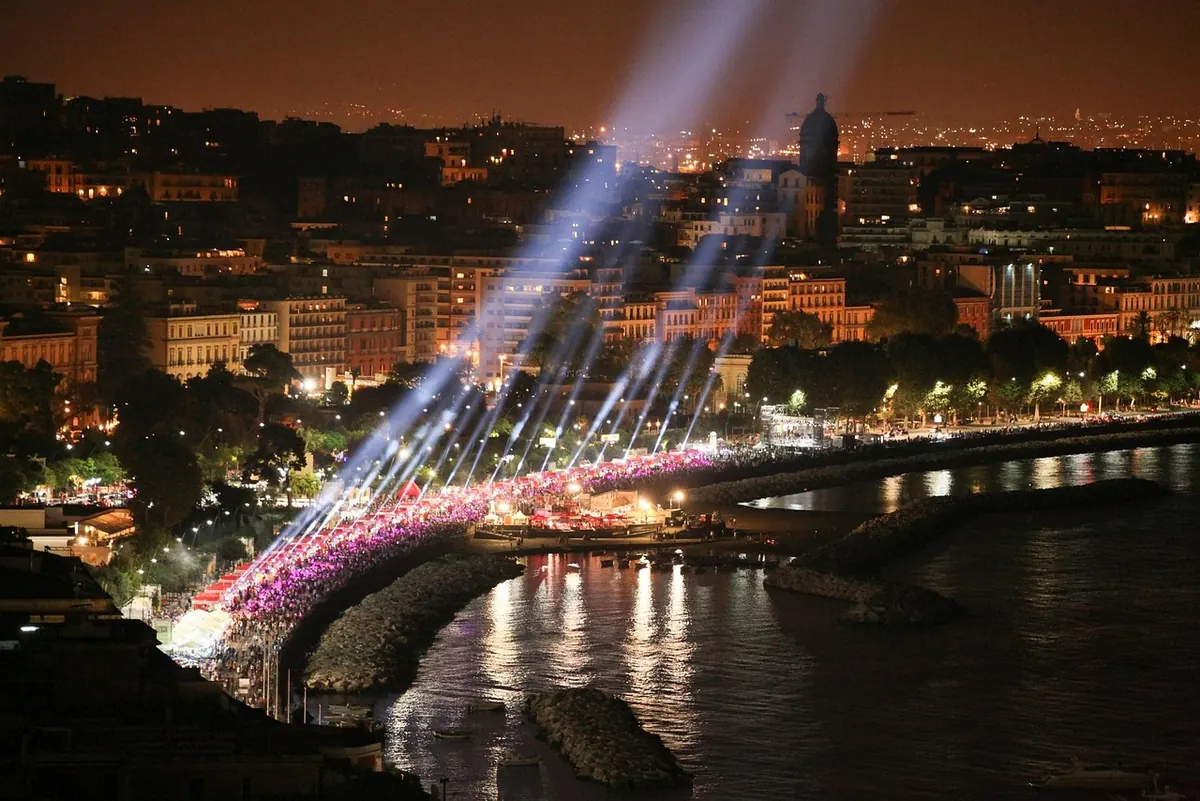
A waterfront festival looks simple from the outside: a pier, a row of food stalls, a stage, and a lot of sky. Then you arrive at two in the afternoon, the breeze comes off the water at an angle nobody forecast, every bench is taken, and the queue at the coffee stand is forty people deep. Most of the discomfort at coastal events isn't dramatic. It's small things — cold hands at sunset, a burnt neck, a phone at four percent, aching feet from five hours on cobblestones. What follows is the list seasoned harbor-goers actually carry. None of it is exotic, and all of it earns its place in the bag.
Dress for the wind, not just the forecast
Sea air changes the rules. A morning that starts grey and still can turn bright and breezy by noon, then drop ten degrees the moment the sun clears the breakwater. Pack in layers you can peel off and put back on without finding a bathroom: a base layer, a warm mid-layer for after sunset, and a thin windproof shell that folds into its own pocket. The shell matters more than the sweater at most harbor events, because wind is what makes an evening feel cold long before the temperature says so.
Hats deserve a mention. A wide brim is lovely until it becomes a kite. Look for something with a chin cord, or a cap you can clip to your bag when the gusts pick up. Skip long scarves and loose skirts near the docks — they catch on railings and go where the wind takes them.
Footwear is where people get caught out. Wooden decking gets slick with spray, spilled drinks and the general damp of a working harbor; gravel paths and cobbles are unforgiving in thin soles. Closed-toe shoes with actual grip are the sensible choice, even if the photos would look better in sandals. Bring a spare pair of socks in a plastic bag if rain is anywhere in the picture.
Cash in small bills, plus a card as backup
Card readers on a pier are a gamble. Signal drops, terminals run out of charge, and plenty of small vendors — the person selling fried dough, the fisherman with a cooler, the band selling their own record — still prefer notes. Carry a modest amount of cash in small denominations, because asking a busy stall to break a large note at the height of the dinner rush is nobody's idea of fun.
Split it up. Keep a little in a zipped pocket, a little in your bag, and skip the back pocket entirely in a crowd. If you're traveling with someone, agree that one of you carries the cash and the other carries the cards, so a lost wallet doesn't take everything with it. If you're budgeting for the trip, decide your spending ceiling before you leave and treat the cash in your pocket as the real limit — it's easier to stick to than a running total in your head.
Sun protection you'll keep using
Water reflects. On a bright day at a harbor festival you're getting sun from above and bounce from below, which is why so many people come home with a burnt chin and neck. A brimmed hat, sunglasses with a strap so they don't end up in the harbor, and sunscreen you reapply through the afternoon are the basics. Keep the tube in an outside pocket where you can reach it without unpacking everything.
Lip balm with sun protection is a small thing that makes a long day better, and a lightweight long-sleeved shirt does more work than most people expect — it keeps the sun off without making you hot, as long as the fabric is thin. If you have sensitive skin, or you're choosing sunscreen for children, ask a pharmacist what suits you rather than guessing at the stall.
Something to sit on, and something to carry it in
Seating is the single most overlooked item. Festival grounds are usually gravel, asphalt, splintered decking or damp grass, and standing for six hours is a different event entirely from sitting for six hours with a good view. Your options, roughly in order of comfort:
- A folding chair with a shoulder strap — best for full-day events, provided the festival allows them. Some viewing areas are standing-only, so check before you lug one along.
- A picnic blanket with a waterproof backing — a thin cotton throw is useless on damp ground. Look for something with a coated underside you can wipe clean.
- A small inflatable cushion or camp stool — the compromise when you want to travel light but refuse to sit on cold stone.
- A large tote or dry bag — carries the above, doubles as a rain cover, and holds whatever you buy.
Whatever you bring, make sure your main bag zips shut and sits across your body. Hands-free matters when you're balancing a paper plate and a drink in a crowd, and a closed bag means a gust of wind can't scatter your afternoon.
Water, snacks, and a realistic food plan
Food queues peak hard between about six and eight in the evening, exactly when everyone gets hungry at once. Eat a proper meal before the headline set, or bring something to bridge the gap: nuts, fruit, crackers, a filled roll from a bakery on the way in. Check the festival programme for water refill points — many harbors have fountains or free taps — and carry a bottle you can refill rather than buying plastic all day. Bring one small bag for your own rubbish, since bins overflow at the busiest stands.
The small kit that saves the day
- A charged power bank and the right cable — maps, tickets and message threads eat battery fast.
- Plasters, a couple of painkillers if you use them, and any personal medication you might need during the day.
- Hand sanitizer and tissues, because portaloos run out of both.
- Earplugs if you plan to stand near the speakers, and a light layer you can pull on when the sun goes.
- A folded poncho or compact rain jacket — coastal weather turns quickly and umbrella etiquette in a crowd is poor.
- A screenshot or printout of the schedule, in case the signal dies when you need it most.
Pack it the night before, and leave room
The last hour before a festival is never the time to be hunting for a charger. Do the following the evening before, then leave the bag by the door:
- Check the programme, stage times and any rules on chairs, glass or outside drinks.
- Look at wind and tide as well as temperature — a strong onshore breeze changes what you'll want to wear.
- Charge phone and power bank, and download tickets and maps for offline use.
- Set aside cash in small notes and pack it in two separate places.
- Lay out layers, shoes and seating, then pack snacks and a water bottle last so they stay fresh.
- Leave a third of the bag empty for anything you buy or need to shed.
One more thing worth doing: tell someone at home which festival you're at and roughly when you expect to be back, especially if you're relying on a late ferry or the last bus. A harbor at night is beautiful and slightly disorienting, and knowing your route home before the crowd moves is the difference between a good ending and a long wait on a cold quay.
Photo: beboplu / Pixabay